<Back to news
6 Nov 2026
Finding Their Balance: Building Strong Bodies and Confident Little Movers
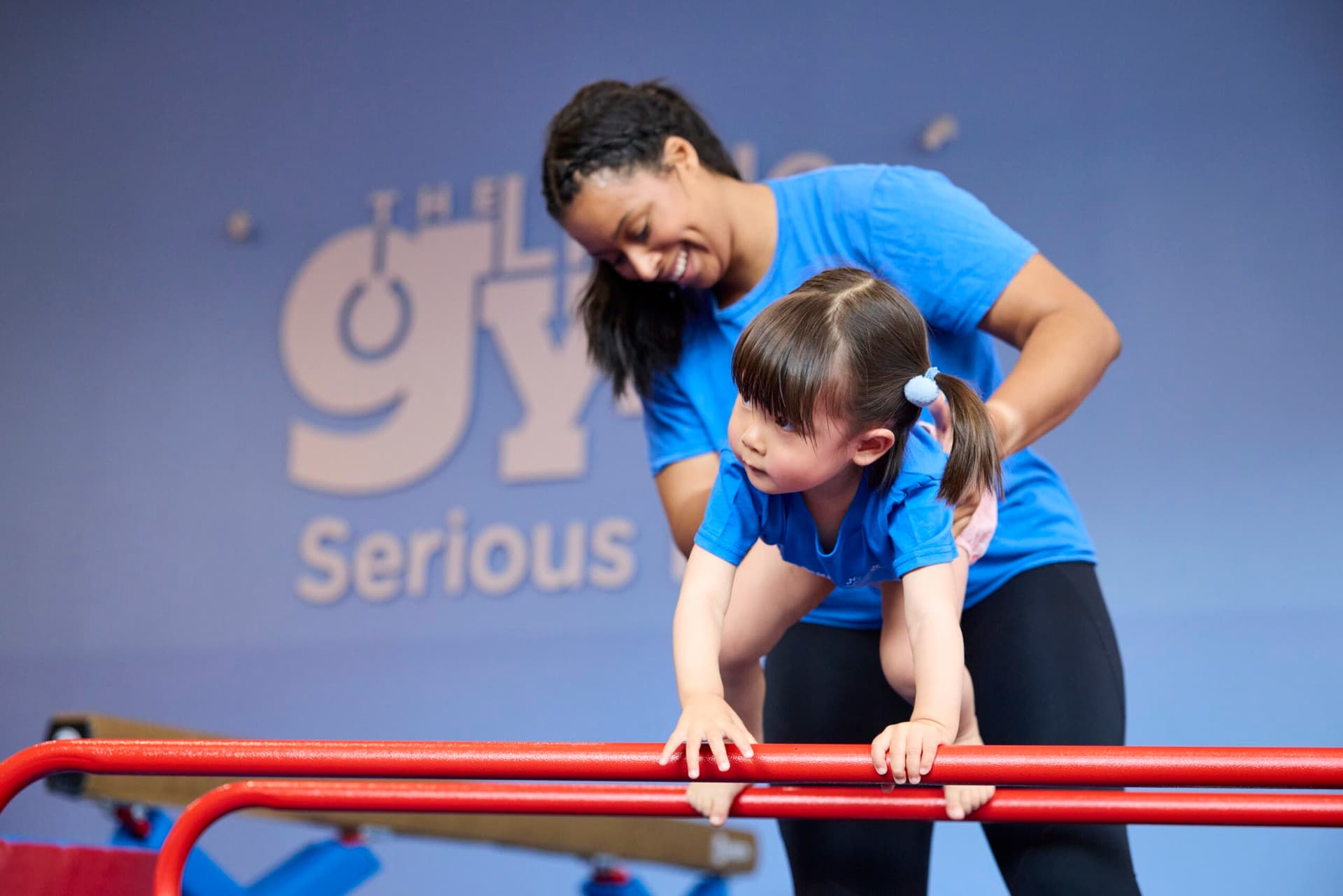
When we watch children exploring the gym, climbing, jumping, tumbling and navigating their way around different activities, it’s easy to focus on the big achievements. Perhaps it’s a confident forward roll, a first attempt at a handstand or the excitement of mastering a new movement.
But some of the most important developments happen in the smaller moments.
The little wobble before finding balance. The determination to climb a little higher. The concentration needed to coordinate arms and legs during a new activity.
These moments might look simple, but they’re helping children develop the physical foundations they’ll use throughout childhood and beyond.
At The Little Gym Windsor, gymnastics is about so much more than learning to perform a particular skill. Our unique approach to Developmental Gymnastics uses movement as a way to support children’s wider physical development, helping them build strength, balance, coordination, body awareness and confidence. Through carefully structured activities and the expertise of our specialist teachers, every class is designed around how children grow and learn, giving them opportunities to explore, practise and develop at their own pace.
This month, our focus is BEAMing with Gratitude, and we’re celebrating two important areas of physical development: balance and core strength.
So, why do these abilities matter, and how does gymnastics help children develop them?
Finding Their Balance: It’s All in the Little Adjustments
Balance is one of the foundations of physical development. It helps children control their bodies, maintain stability and move confidently through the world around them.
But balance isn’t something children master overnight. It develops through movement, practice and lots of little adjustments.
Think about a child walking along a balance beam. Their body is constantly making tiny movements to stay upright. Their muscles are working, their brain is processing information about their position, and they’re learning how to adjust when they start to wobble. The same happens when standing on one foot, stepping over an obstacle or jumping between spots.
These experiences help develop postural control, coordination and spatial awareness – all important abilities for everyday activities such as walking, running, climbing stairs and playing. And here’s the important bit: getting it right isn’t the only way children learn. Every wobble, step and attempt gives them valuable feedback about how their body moves.
At The Little Gym Windsor,our specialist teachers introduce fun, age-appropriate challenges that help children develop balance and control. Through encouragement and repetition, children gradually build the physical skills and confidence to try new things. It’s not about getting it right the first time, but enjoying the process and recognising progress along the way.
Core Strength: The Unsung Hero of Movement
When we think about core strength, we might picture sit-ups or planks. But for young children, it’s much less about traditional exercises and much more about learning to support and control their bodies.
The core muscles around the tummy, back and pelvis help stabilise the body, support posture and make movement possible.
Children use these muscles all the time, often without realising it!
- Crawling: Engages the tummy and back muscles while children coordinate their arms and legs.
- Climbing: Builds strength and challenges children to control their bodies as they move.
- Rolling and rocking: Encourages body awareness and control through different positions.
- Balancing: Requires the core muscles to work together to keep the body steady.
- Hanging and supporting their own weight: Develops strength and control through playful movement.
Through these playful activities, children build the strength and stability needed for more complex movements as they grow. And because every child develops at their own pace, opportunities to practise and explore are far more important than getting everything right every time.
Bringing It All Together: Coordination and Body Awareness
Balance and core strength don’t work alone. They’re closely connected to coordination and body awareness.
Coordination is the ability to use different parts of the body together, while body awareness helps children understand where their bodies are in space. Think about jumping over an obstacle: children need to judge the distance, coordinate their arms and legs and control their landing. That’s a lot of learning packed into one little jump!
Through developmental gymnastics, children practise these abilities in all sorts of ways, from tumbling and climbing to jumping and navigating obstacle courses. These foundations support future activities such as swimming, cycling, dancing and playing sports, while helping children become more confident movers.
Serious Fun: Growing Through Play
One of the things we love most at The Little Gym is that children don’t need to think about all the physical skills they’re developing. They’re too busy having fun!
Our Developmental Gymnastics classes combine purposeful movement, age-appropriate challenges and encouragement from our specialist teachers. Rather than simply focusing on teaching individual gymnastics skills, our programme supports the physical abilities behind those movements, helping children build strength, coordination, balance and confidence as they explore new challenges.
It’s what we call Serious Fun: children are laughing, exploring and enjoying themselves while developing important physical foundations that will support them as they grow.
Celebrating Every Little Achievement
At The Little Gym Windsor, we love celebrating all the little milestones that make up a child’s development journey. Perhaps they’ve balanced for a few seconds longer, climbed something they previously avoided or found the confidence to try a completely new movement. These achievements might seem small, but they’re meaningful steps forward. Physical development isn’t just about the skills children master; it’s about the strength, control, confidence and willingness to keep trying that they develop along the way.