<Back to news
22 Jun 2026
School Readiness: How Children’s Gymnastics Helps Build the 5 Skills Every Child Needs For Reception
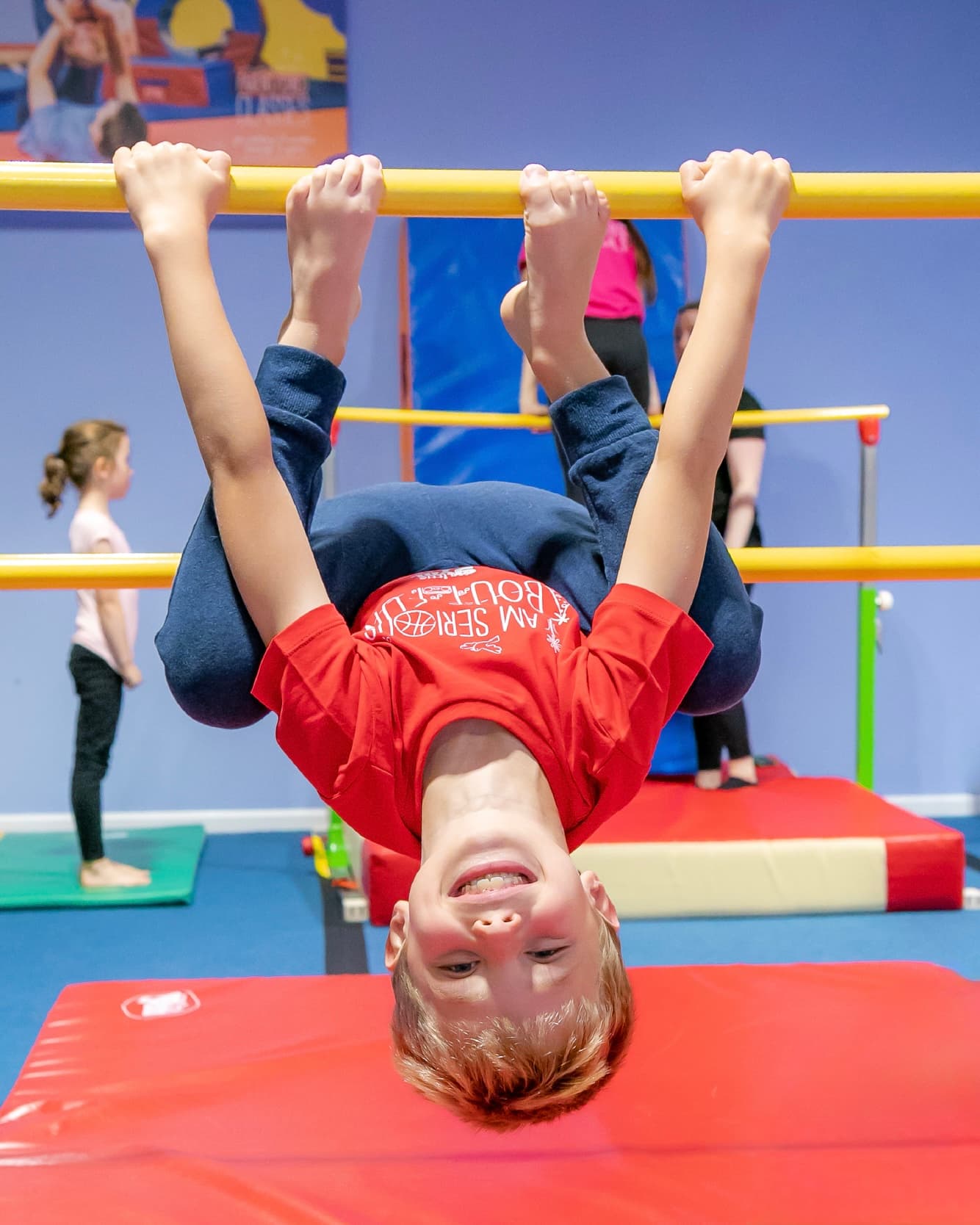
If your child is starting school this September, you’ve probably thought about school shoes, uniforms, lunch boxes, and perhaps even recognising letters and numbers.
But have you thought about balance?
Or coordination?
Or how confidently your child can move their body through a busy classroom?
According to research from Kindred Squared, around 1 in 3 children start Reception without the skills expected for a successful transition to school.
When parents think about school readiness, they often focus on social and emotional development. Can my child share? Take turns? Follow instructions? Separate confidently?
These skills are hugely important.
But there is another side to Reception readiness that is often overlooked: physical development.
The way children move, balance, coordinate, and understand their bodies has a powerful impact on their confidence, focus, independence, social skills, and readiness to learn.
That’s why children’s gymnastics can play such an important role when preparing for school. Through climbing, balancing, hanging, rolling, jumping, and learning through play, gymnastics classes for children help develop the foundations that support success both in the classroom and beyond.
Here are five skills every child needs when starting school—and how children’s gymnastics helps build them.
1. Emotional Regulation – The body helps the brain stay calm.
Emotional regulation is a child’s ability to manage frustration, cope with challenges, and recover when things don’t go their way.
What many parents don’t realise is that physical development plays an important role in supporting this process.
When a child has strong core strength and good postural control, their body requires less effort simply to sit, balance, and participate throughout the school day. That means they have more capacity available for listening, learning, and managing emotions.
Children’s gymnastics helps develop these foundations through activities such as climbing, balancing, hanging, and rolling.
As children learn new skills and overcome challenges, they are also building resilience, perseverance, and self-confidence.
Because when children feel secure in their bodies, they often feel more secure emotionally too.
2. Independence – Confidence starts with capability.
One of the first things Reception teachers notice is a child’s willingness to try new things independently.
Independence isn’t simply about being brave. It grows through experience.
Every time a child balances a little longer, climbs a little higher, or masters a new movement, they learn something important:
“I can do this.”
Over time, these small successes build confidence.
In children’s gymnastics classes, children are encouraged to explore, problem-solve, and attempt new challenges in a safe and supportive environment. Each achievement helps develop the confidence they need to approach unfamiliar situations independently.
Whether that’s trying a new gymnastics skill or walking into a Reception classroom for the first time, confidence often begins with physical capability.
3. Focus – Young children learn through movement.
Many parents are surprised to learn that focus doesn’t begin with sitting still.
It begins with movement.
Running, jumping, spinning, swinging, climbing, and rolling all help develop the vestibular system—the sensory system responsible for balance, movement, and attention.
When children receive regular opportunities for varied physical activity, they are often better equipped to settle, listen, and engage in learning.
This is one reason children’s gymnastics is so beneficial for child development. The wide variety of movement experiences helps develop balance, coordination, body awareness, and focus.
Movement isn’t a distraction from learning.
For young children, movement supports learning.
4. Social Skills – Body awareness helps children navigate the world around them.
Social confidence isn’t just about communication.
It’s also about understanding personal space, controlling movement, and interacting comfortably with others.
This relies heavily on a sense called proprioception—our body’s awareness of where it is in space.
Children develop proprioception through active play and movement experiences such as climbing, jumping, balancing, carrying, and hanging.
As body awareness improves, children often become more coordinated and confident when interacting with their peers.
Children’s gymnastics classes also provide opportunities to practise important social skills including listening, following instructions, taking turns, and participating as part of a group.
These are all valuable skills when starting school.
5. Body Readiness – Strong foundations support classroom success.
Many of the physical skills children use at school are built long before they sit at a desk.
Core strength helps children sit comfortably during carpet time.
Grip and shoulder strength support pencil control and early writing.
Balance and coordination help children move confidently around busy classrooms and playgrounds.
Cross-body movements help prepare the brain for early reading and writing development.
These aren’t simply gymnastics skills.
They’re learning skills.
One of the unique benefits of children’s gymnastics is that it develops many of these foundations at the same time. Hanging from bars strengthens grip and shoulders. Balancing activities build core stability. Rolling, crawling, and cross-body movements support coordination and body awareness.
And because it all happens through play, children are developing these skills while having fun.
What Can Parents Do at Home?
The good news is that supporting school readiness doesn’t require complicated programmes or hours of practice.
Simple physical play can make a huge difference.
Try encouraging your child to:
- Hang from monkey bars or climbing frames.
- Roll, tumble, and explore movement on soft surfaces.
- Balance on walls, beams, or playground equipment.
- Carry shopping bags, backpacks, or lightweight household items.
- Climb, jump, and move in different directions.
- Spend more time actively playing and less time sitting still.
Most importantly, keep it fun.
Children learn best when they don’t realise they’re learning.
The Bigger Picture
School readiness is about much more than recognising letters and numbers.
It’s about helping children feel confident, capable, and prepared for the challenges ahead.
Physical development, social development, and emotional development don’t happen separately. They grow together.
When children build confidence in their bodies, they often develop confidence in themselves.
At The Little Gym Windsor, our specialist teachers use children’s gymnastics and learning through play to support every aspect of child development – from physical development and coordination to confidence, focus, resilience, and social skills.
Every balance, climb, swing, jump, and roll is designed to help children build the foundations they need to thrive at school and beyond.
Because the skills children need for school aren’t built at a desk.
They’re built through movement.
Is Your Child Ready for Reception?
Whether your child is starting school this September or you’re already thinking ahead, children’s gymnastics can help build the physical, social, and emotional foundations that support school readiness.
Join us at The Little Gym Windsor and discover how learning through play can help your child develop confidence, coordination, focus, and the skills they need for a successful start to school.